



Why I Stopped Worshipping the Michelin Guide
Your tongue and wallet never lie.

I still remember the exact moment everything changed.
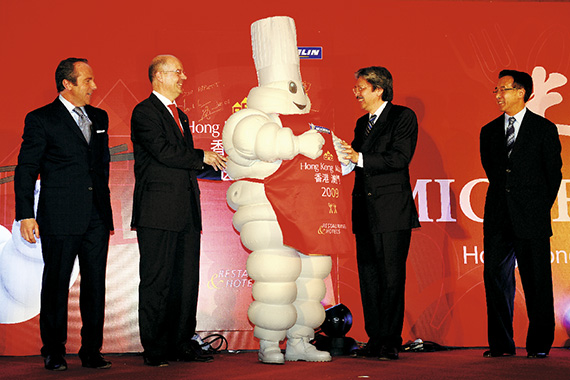
It was November 2008 when the very first Michelin Guide Hong Kong & Macau was released – only the second Asian city after Tokyo to receive the red book. In that inaugural 2009 edition, Lung King Heen made history: the world’s first Chinese restaurant to be awarded three Michelin stars. A three-star Cantonese restaurant. We thought we had won the lottery.
Seventeen years on, I can finally say it without fear: Michelin was never designed for people who grew up on roast goose and wonton noodles. The Five Official Criteria (memorise them, because they explain everything)
- Quality of the ingredients-
- Mastery of technique and preparation-
- Harmony of flavours-
- Consistency over time and across the menu-
- Value for money-
Yes, “value for money” is officially one of the five criteria. I’ll come back to that irony later.
What the stars actually mean
- One star: “A very good restaurant in its category”-
- Two stars: “Excellent cooking, worth a detour”-
- Three stars: “Exceptional cuisine, worth a special journey”-
Notice the wording: not “delicious”, not “satisfying”, not “makes you happy”.
They reward exceptionality and technique, not joy.
Why three stars so often disappoint Hong Kong palates
We love intensity: the smoky roar of wok hei, the violent umami of dried shrimp roe, the perfect 70/30 fat-to-lean ratio in char siu, the soul-soothing clarity of a beef brisket broth.
Michelin routinely marks these down as “lacking finesse” or “seasoning that overpowers the raw material”.
Meanwhile, a dish that requires 47 steps, liquid nitrogen, and a 200-word explanation can score full marks even if it tastes of absolutely nothing. That’s not a bug; it’s the entire system.
The mainland China disaster only proved the point
When the Guide expanded to the mainland in 2016, many of us hoped for a golden age. Instead we watched perfectly decent banquet restaurants rebrand overnight as “contemporary”, triple their prices, shrink the portions, and collect two or three stars. The phrase “value for money” quietly disappeared from those inspections.

When Michelin is still worth trusting (2025 edition)
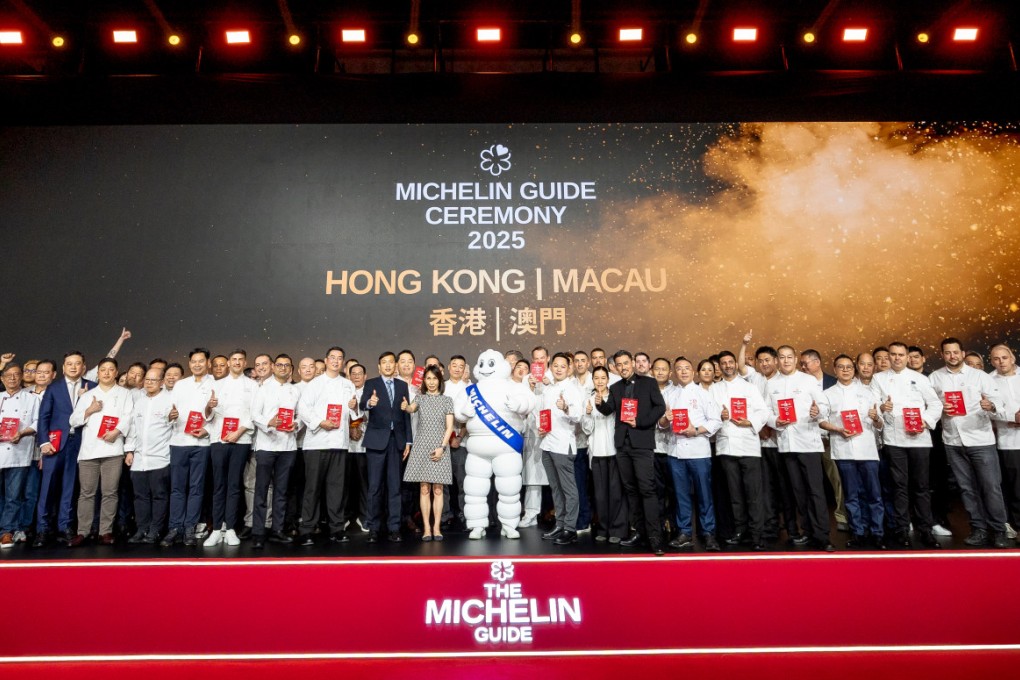
Hong Kong one-star list: still the most reliable part of the Guide. Roughly 60% are genuinely brilliant (Whey, Feuille, The Legacy House, etc.).
Bib Gourmand: the only section that still feels written by humans who actually eat.
Final thought
Last month a reader asked me if he should blow his annual bonus on a three-star meal in town.
I told him: “Only if the photos are more important than the flavour. Otherwise take that money, fly to Tokyo, eat at Sugita or Saito twice, and still have enough left for a decent bowl of ramen on the way home.”
The red book is not wrong. It’s just measuring a different sport.
Listen to your tongue. Your wallet already has.
End